
Home » How Automation Is Changing the Game in Email Marketing
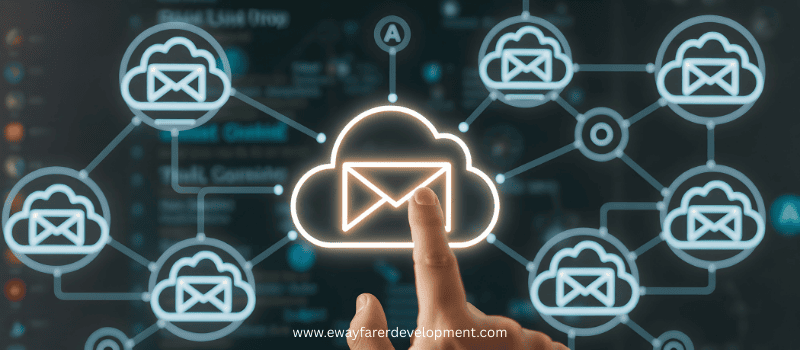
For years, electronic mail advertising carried the recognition of being a digital model of mass mailing—blast a message to all of us on your list and hope a person bites. Businesses survived on month-to-month newsletters, festival greetings, and the occasional offer that felt impersonal enough to be ignored. Today, that old playbook is gathering dust. Automation has changed the nature of email marketing so thoroughly that many brands now treat their email strategy as the heartbeat of their customer communication. The shift did not appear in a single day. It emerged from a deeper awareness: people don’t need extra emails, they want greater significant ones. Email automation has become the tool that turned this philosophy into motion.
Before automation, brands mostly operated on guesswork. Marketers made assumptions about customer interests, timing, and engagement. It often resulted in two scenarios—messages that arrived too frequently, or messages that arrived so rarely that people forgot the brand existed.
Automation altered this rhythm. Instead of working on fixed schedules, brands now build behaviour-based systems. A user browsing men’s sneakers but leaving without buying? Trigger an email with styling tips or a small discount. Someone opens every email on skincare but never on makeup? Prioritise the content they actually respond to. Behaviour-primarily based automation is familiar with one critical truth about digital communique: motion speaks louder than surveys. Customers vote with their clicks, scrolls, and deserted carts, and automation reads that language fluently.



Automation has pushed personalisation into deeper territory. Emails now reflect browsing history, purchase habits, preferred price brackets, and even the time of day a recipient is most active.
A travel agency can send winter vacation deals to customers who previously searched “cold destinations,” while offering summer escapes to those who viewed beaches. A fitness brand can nudge customers with motivational emails when their workout plan tends to slip. A candle business can remind previous buyers when their favourite scent is likely running low.
The mystery is not magic—it is records carried out with empathy. When automation tailors conversation around individual dreams, the email stops feeling like a widespread broadcast and starts off as a personal concierge whispering, I don’t forget you.
Email marketing once behaved like a single drumbeat—one message, completed and done. Automated email marketing introduced the idea of a symphony instead of a solitary note.
Welcome sequences, onboarding journeys, post-purchase follow-ups, cart-recovery flows, win-back campaigns and much more – these journeys define the modern experience. When someone signs up, they enter a planned path. They learn about the brand, receive value-driven emails, and gradually grow familiar.
If they buy, automation celebrates the milestone and guides them through what’s next. If they drift away, automation gently taps their shoulder with a reminder of what they once loved. Automation acts like a vigilant assistant who never sleeps, never loses track, never misses the moment.
Time is no longer just a variable in marketing; it’s a competitive advantage. Manually segmenting and emailing thousands of customers can take weeks. Automation transforms that into minutes. A product launch? Automation schedules teasers, reminders, and follow-up emails while the marketing team handles creative storytelling. A holiday sale? Automation keeps pace with real-time engagement, sending messages precisely when people are most likely to convert. Even the smallest brands can now maintain the pace of industry leaders because automation eliminates the slowest part of the process—waiting for humans to perform repetitive tasks.
This is the part many business owners appreciate the most. Automation lifts revenue not with random hopes, but with repeatable precision.
Consider these revenue-driving shifts:
In short, automation monetises interest without burning out teams. It allows creativity to shine while the machinery handles the grind.
A brand’s reputation is built not only on what it sells, but how it makes people feel. Customers don’t want to repeat themselves or feel like strangers every time they return. Automation bridges this emotional gap. Someone booked a flight? Provide travel guides, luggage tips, and airport maps without needing a customer service executive to type everything manually each time. Someone bought skincare for oily skin? Offer content that acknowledges their needs instead of pushing irrelevant products.
Email marketing is a game of continuous refinement. Automation brings structured experimentation into the picture. Messages can be A/B tested, subject lines compared, call-to-actions observed, and timings tweaked. The largest transformation right here isn’t always the testing itself – it’s the pace of getting to know. Previously, many entrepreneurs needed weeks of manual paintings to run proper tests. Now automation collects insights constantly.
Critics of automation frequently argue that automatic emails feel robotic or detached. Automation handles delivery; people deal with voice. A witty subject line, a considerate message, a heartfelt thank-you after a customer’s first order – these moments show that automation does no longer erase human presence. It amplifies it. Instead of writing 10,000 repetitive messages, the marketer can recognize strength by writing one extraordinary series that reaches 10,000 humans with grace and stays longer.
Automation is robust, however now not flawless. Poorly carried out automation becomes noise. Customers acquire emails that make no experience, repeat themselves, or cause too regularly. When automation lacks strategy, the audience feels beaten. When marketing automation email campaigns lack empathy, the target market feels exploited. Another project is statistics privacy. As manufacturers collect behavioural insights, they have to stay transparent and respectful.
Where does automation pass from here? The trajectory factors towards predictive email studies. Instead of reacting to a consumer’s past movements, brands will expect their next ones.
Automation will even merge extra deeply with SMS, WhatsApp, and push notifications, forming a pass-channel gadget that feels seamless. The inbox gained’t disappeared—it becomes a curated space of fee, not quantity.
A Game-Changer That Redefined the Rules
Email advertising and marketing automation didn’t simply tweak the antique method; it rewrote the rulebook. It shifted the point of interest from mass broadcasting to meaningful verbal exchange. The brands that excel these days aren’t the ones shouting the loudest, however the ones whispering the proper message to the proper character at the proper time.
Automation doesn’t take away the need for creativity—it demands more of it. It doesn’t erase human approach—it elevates it. It doesn’t make advertising effortless—it makes the effort profitable. The brands that include automation early build relationships that scale. The ones that face up to in the end go back when they understand their competition have constructed deeper bonds without breaking a sweat.
Email advertising became a simple email marketing automation tool. Automation turned it right into a strategic powerhouse. The sport hasn’t simply been modified—it’s nonetheless converting. And the brands inclined to adapt with it received’t simply play longer; they’ll play smarter.